🔥 IgKnighted – A Stylized Local Multiplayer Arena Shooter
Click here to visit our game page!
IgKnighted is a fast-paced, couch co-op arena shooter built in Unreal Engine 5 using Blueprints. Designed for local multiplayer mayhem, players face off against waves of enemies while collecting power-ups, dodging enemy fire, and racing for the highest score. Inspired by classic arcade energy and modern stylized visuals, the game features dynamic combat, painterly post-processing, and a responsive control scheme. Developed collaboratively by a multidisciplinary team, IgKnighted blends tight gameplay mechanics with polished visuals and smart system design—all brought together through agile development and hands-on iteration.
🔨 My Contributions
🎮 Input Mapping
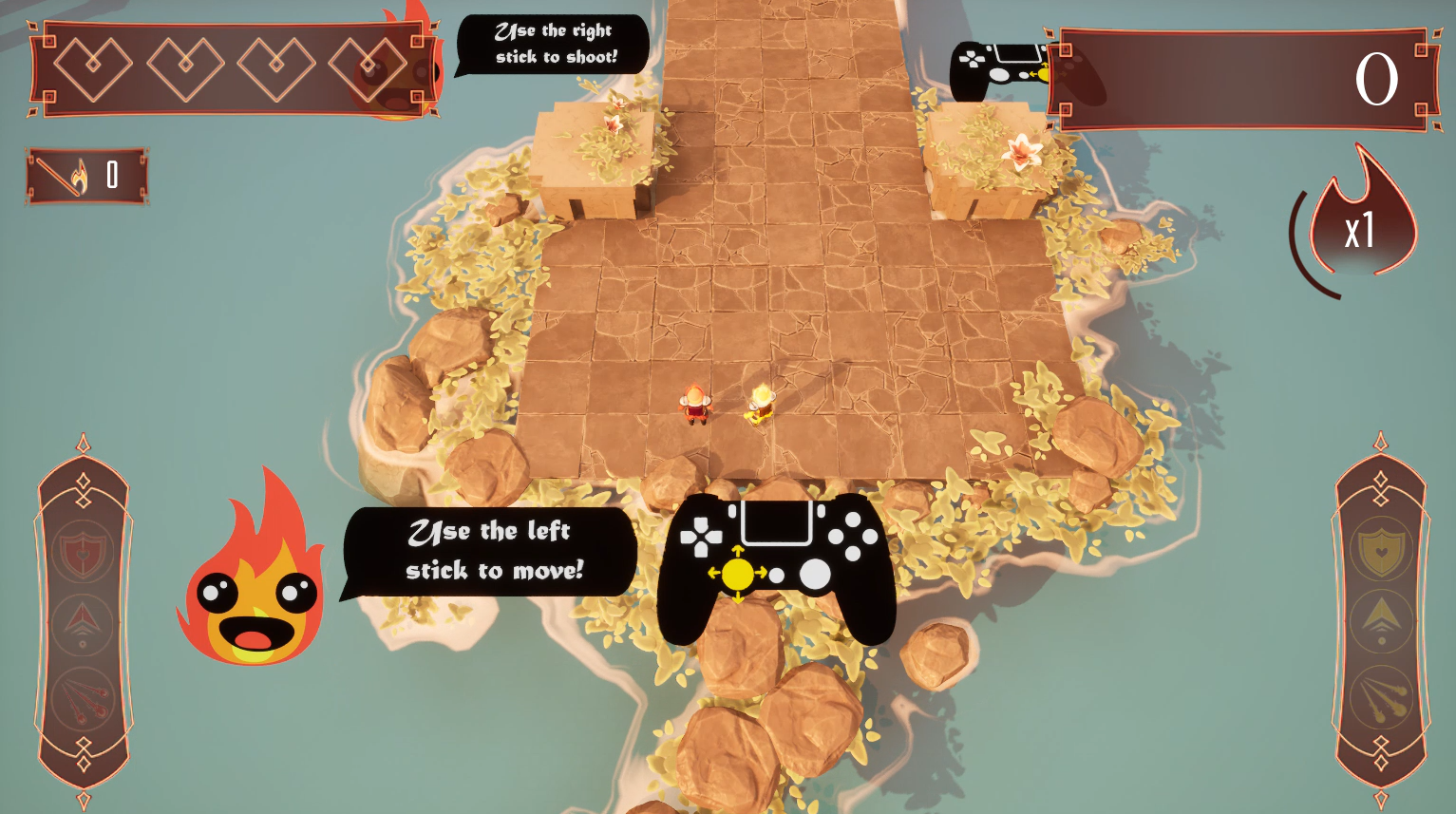
What it Does: Mapped controller and keyboard inputs to player actions like movement and shooting.
Key Features & Challenges:
- Implemented a clean Input Action Mapping system via Unreal’s new Enhanced Input system.
- Replaced deprecated input code to modern standards.
- Required handling of multiple controllers for local multiplayer—a major UX focus.
Impact on the Game:
- Enabled plug-and-play support for multiple input devices.
- Established a scalable input foundation for future expansion (e.g., remappable keys).
👥 Local Multiplayer
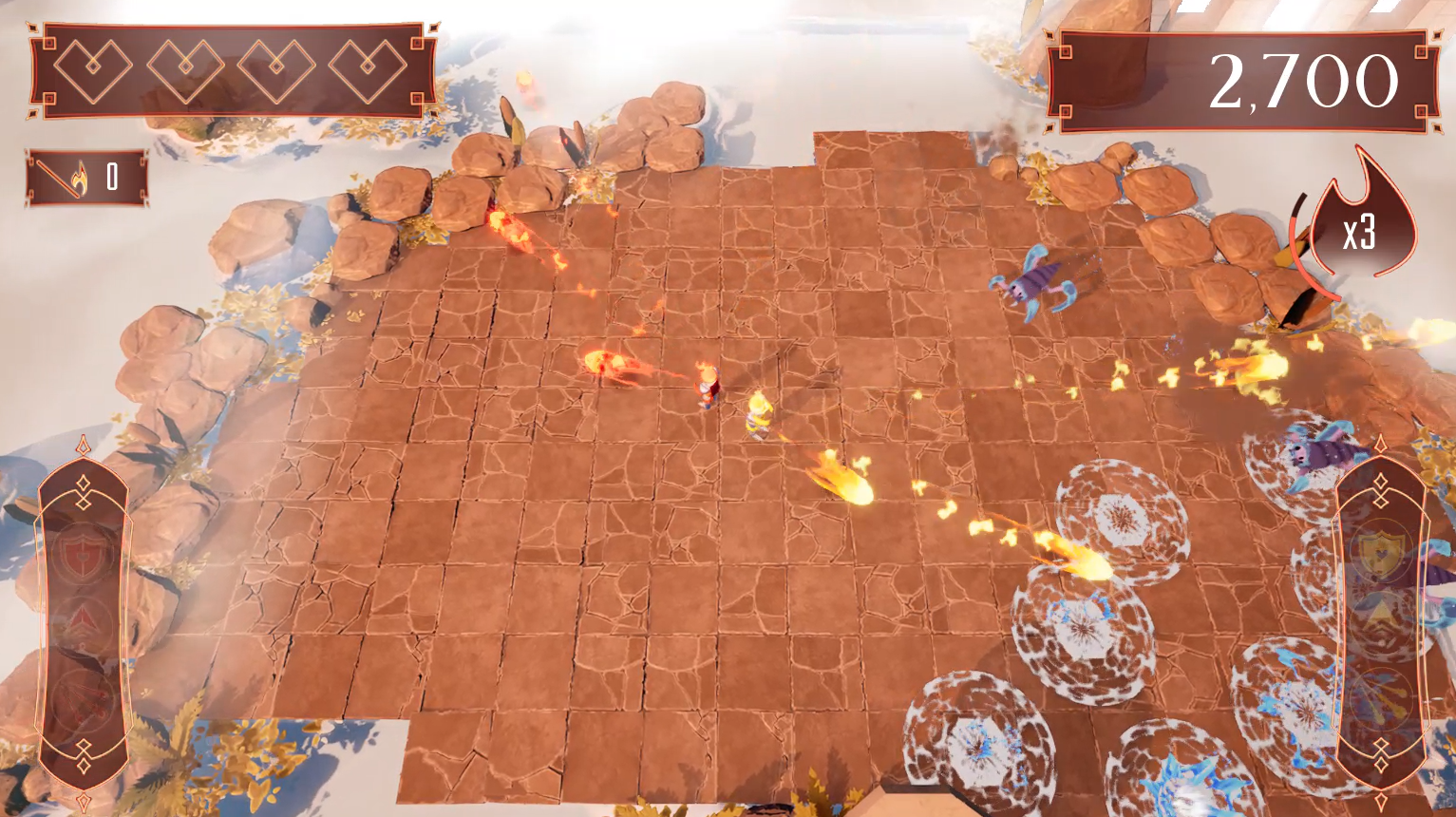
What it Does: Allows two players to play simultaneously on the same machine with separate controllers.
Key Features & Challenges:
- Built custom GameMode Blueprint logic to support multiple players.
- Handled player spawning, possession, and UI differentiation.
- Took 2 full days, more than expected, due to intricacies of Unreal’s player handling and controller indexing.
Impact on the Game:
- Made the game a shared, couch-friendly experience.
- Established a robust framework for multiplayer, a core gameplay feature.
👾 Base Enemy Attack (Shooting & Aiming)
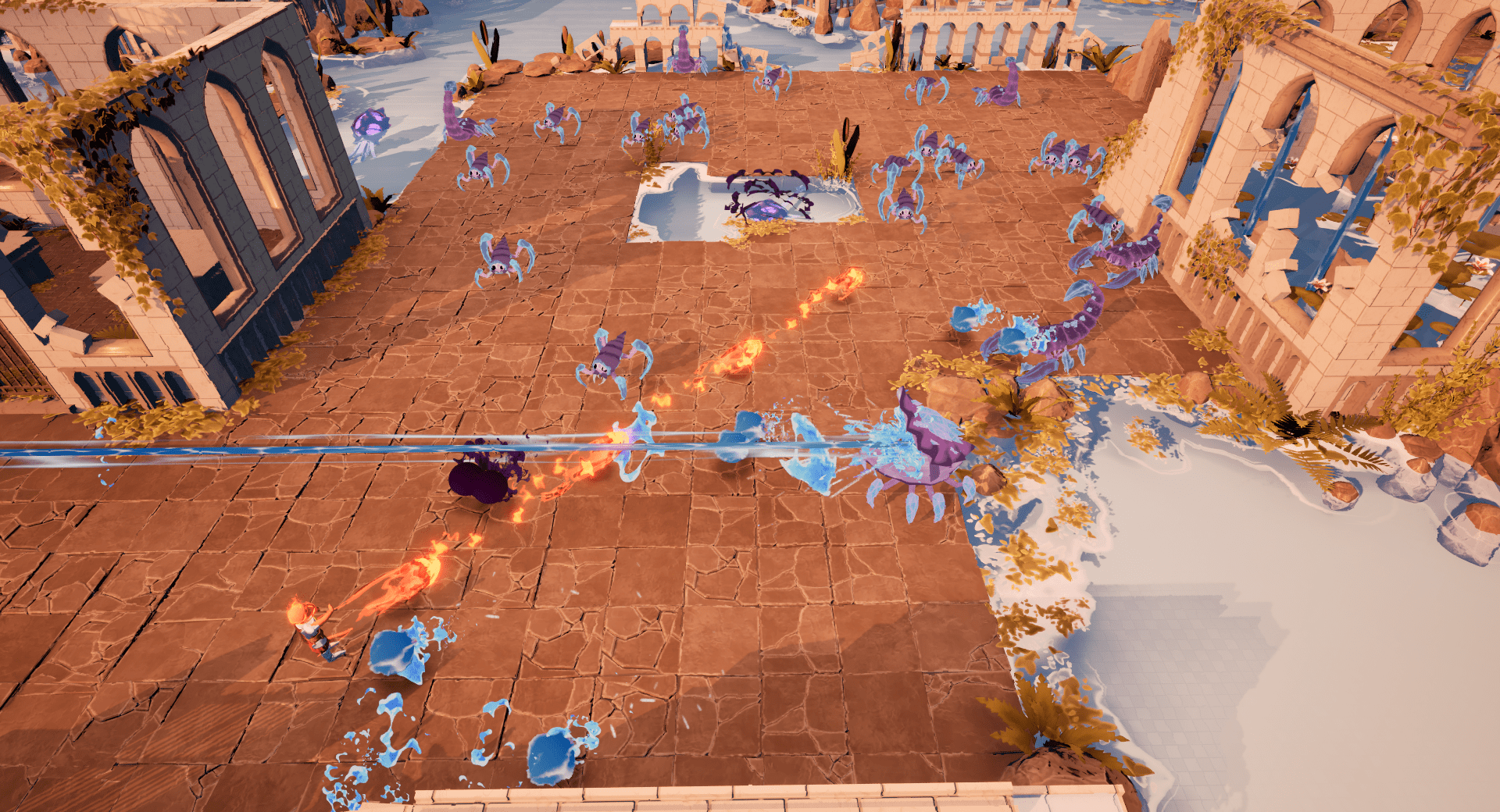
What it Does: Enemies detect players, aim, and shoot projectiles.
Key Features & Challenges:
- Rewrote enemy perception logic to reduce redundancy and improve clarity.
- Implemented aiming and projectile logic in Blueprints, synced with animation triggers.
Impact on the Game:
- Created combat tension and challenge.
- Set the stage for more complex AI behavior and difficulty scaling.
❤️ Player Damage
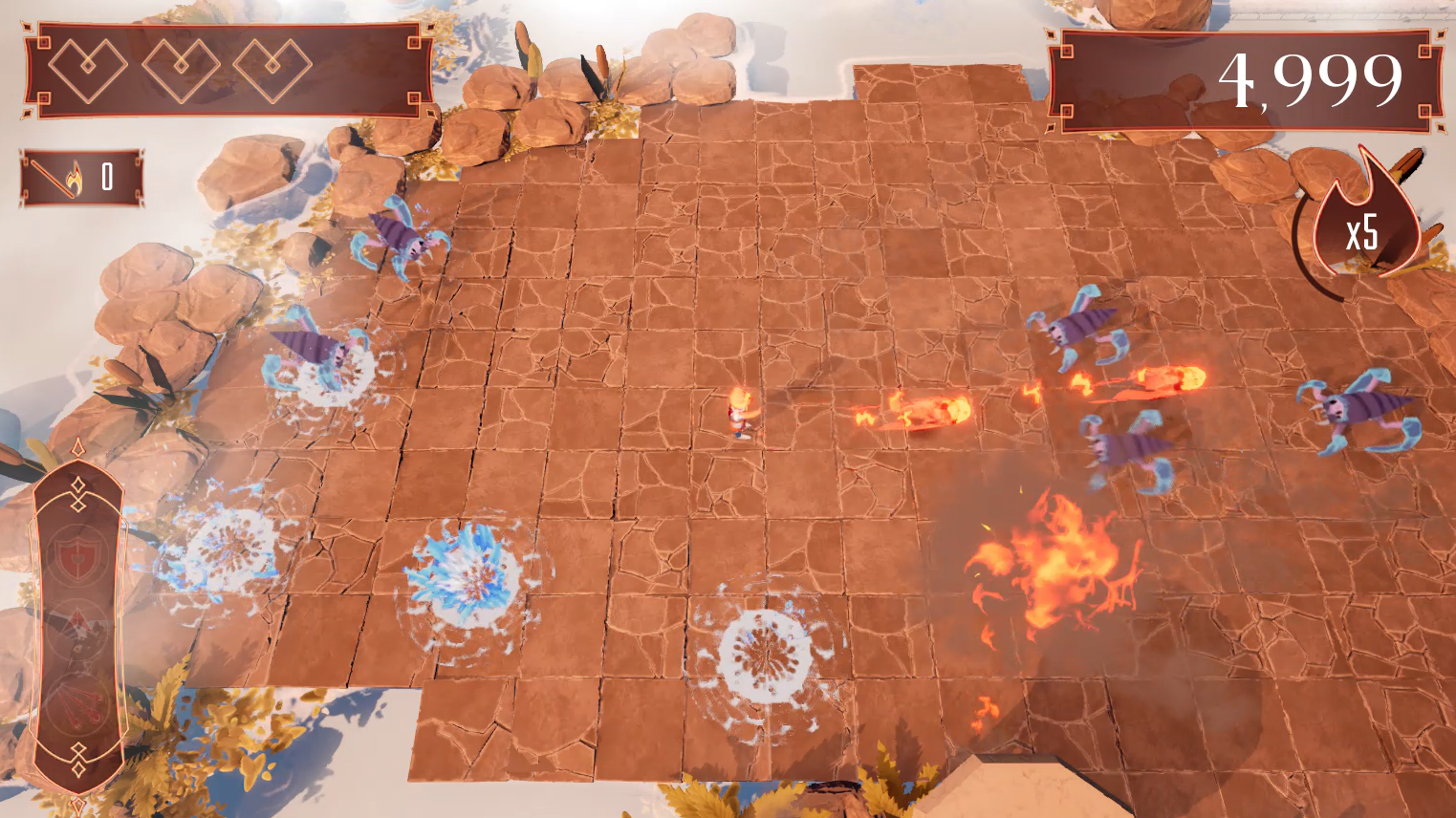
What it Does: Enables player health tracking and death when hit by enemies.
Key Features & Challenges:
- Synchronized hit detection with enemy projectiles.
- Triggered visual/audio feedback and death sequence.
- Required balancing to keep combat fair.
Impact on the Game:
- Introduced stakes to gameplay.
- Provided a functional health system used in all combat scenarios.
✨ Collectables (Spawning, Score, UI)
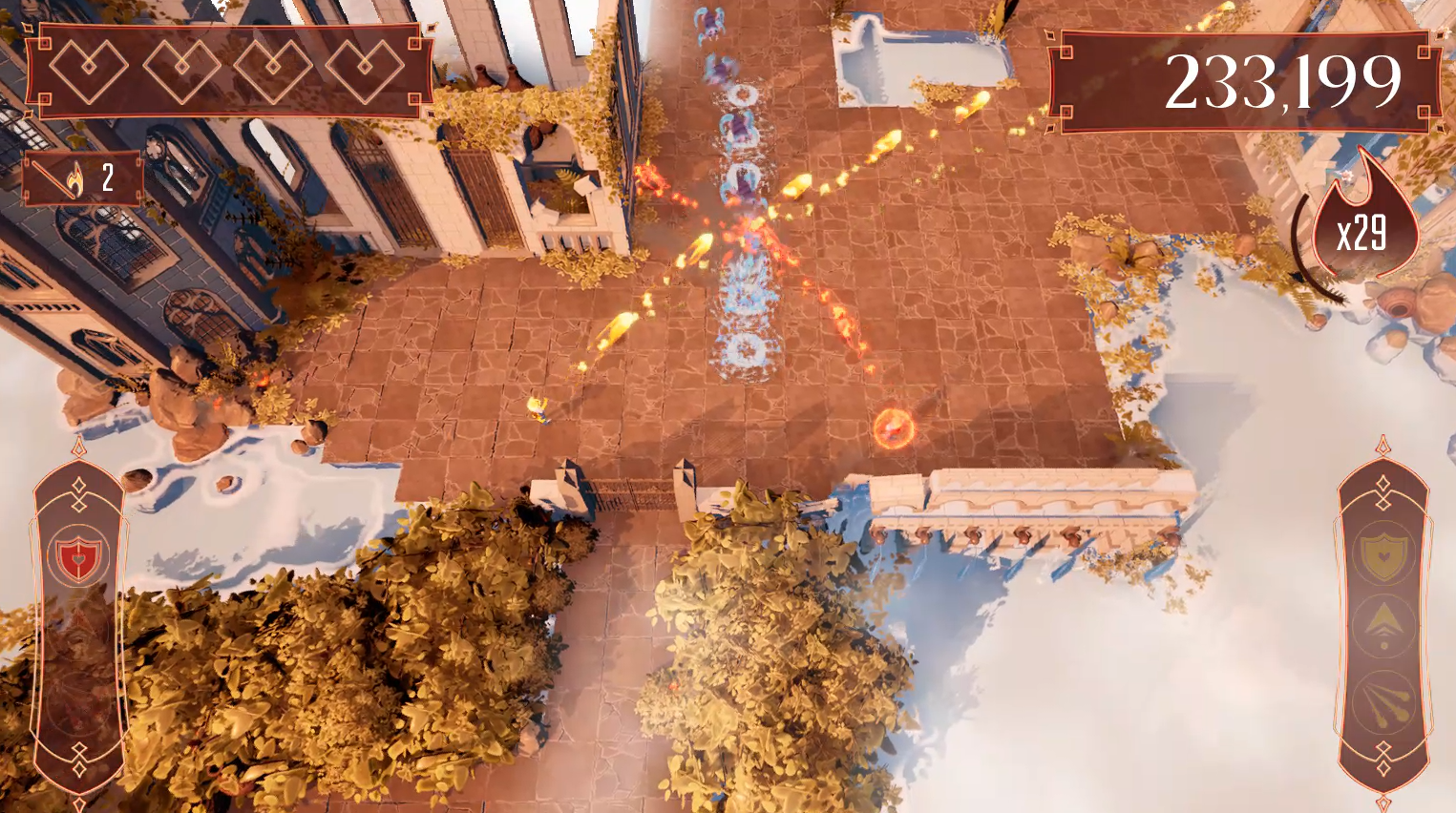
What it Does: Implements items that players can collect during gameplay to increase score.
Key Features & Challenges:
- Procedural spawning system during waves.
- Score tracking system integrated into the HUD.
- UI dynamically updates when collectables are picked up.
Impact on the Game:
- Adds a secondary game loop and reward mechanism.
- Encourages movement and exploration during combat.
⚡ Power-Ups (Extended)
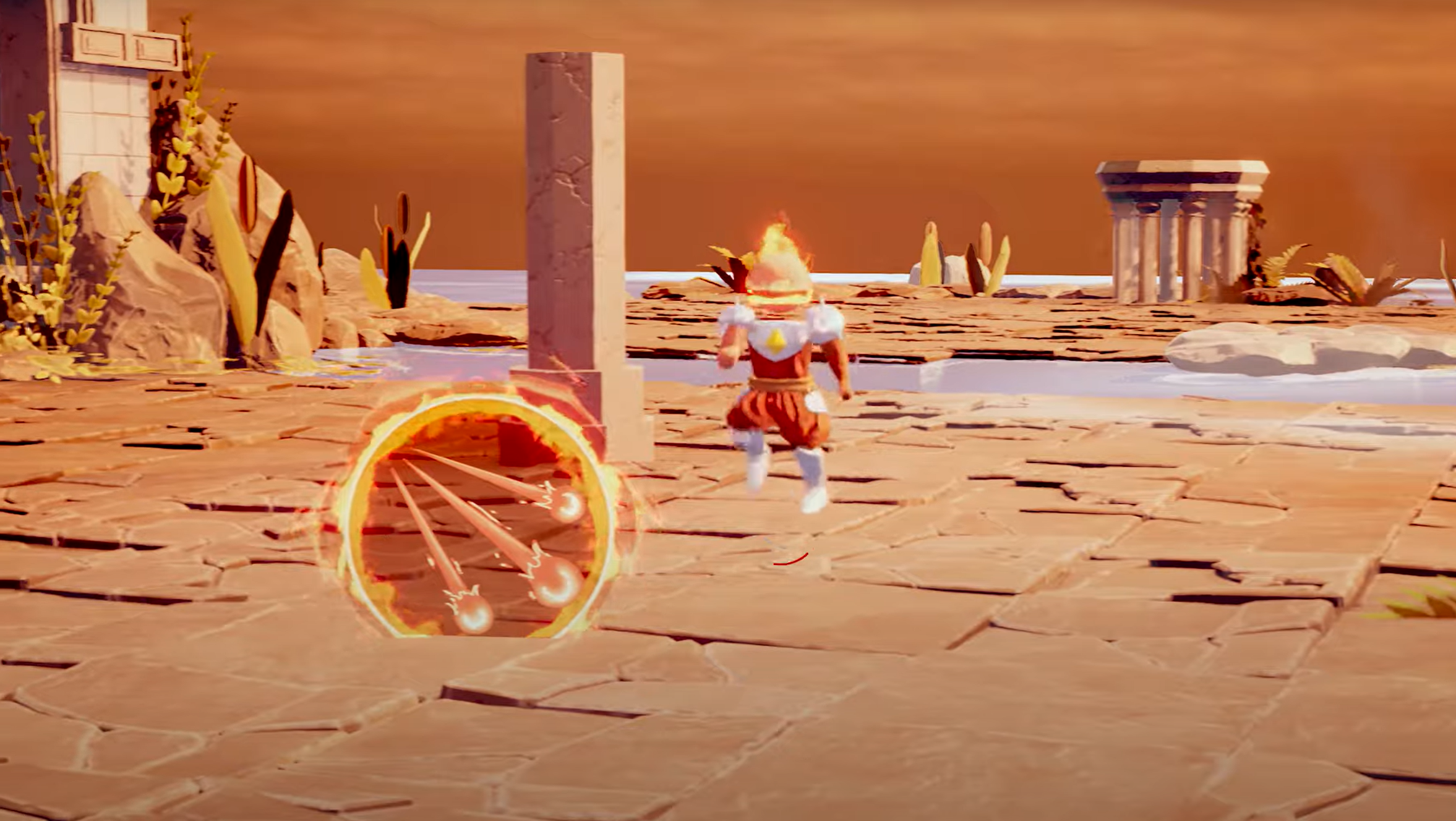
What it Does: Power-ups grant temporary advantages (e.g., speed, attack boost), but now with smarter logic.
Key Features & Challenges:
- Prevented players from picking up the same power-up multiple times.
- Extended the base system to support stacking effects and timed buffs.
Impact on the Game:
- Balanced and deepened the gameplay strategy.
- Reduced redundancy and clutter in the level by avoiding wasted pickups.
🕺 Player Animations
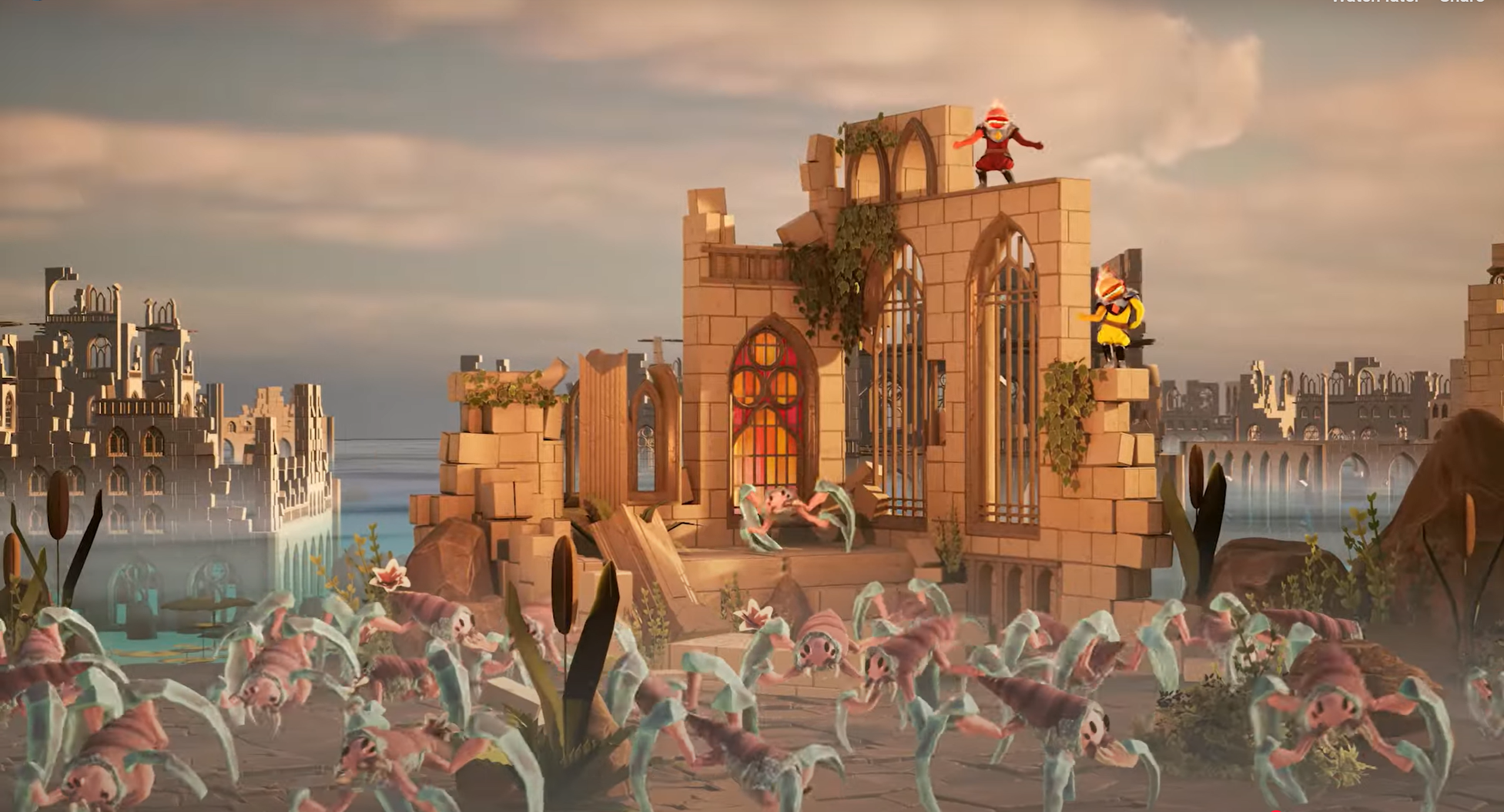
What it Does: Integrated character animations like idle, walk, shoot, and death.
Key Features & Challenges:
- Learned and implemented UE5’s animation system using Animation Blueprints.
- Aligned animation states with gameplay actions (e.g., shooting, being hit).
- Faced a learning curve but found the system intuitive after initial practice.
Impact on the Game:
- Brought the player character to life.
- Enhanced the game’s polish and visual feedback significantly.
🎯 Overall Impact
Your work provided core systems used by all team members:
- Established clean, readable Blueprint code used as a reference by peers.
- Contributed features fundamental to gameplay: multiplayer, combat, progression.
- Integrated technical systems with UI and art to support design goals.
- Increased team productivity by resolving bugs and improving clarity.